
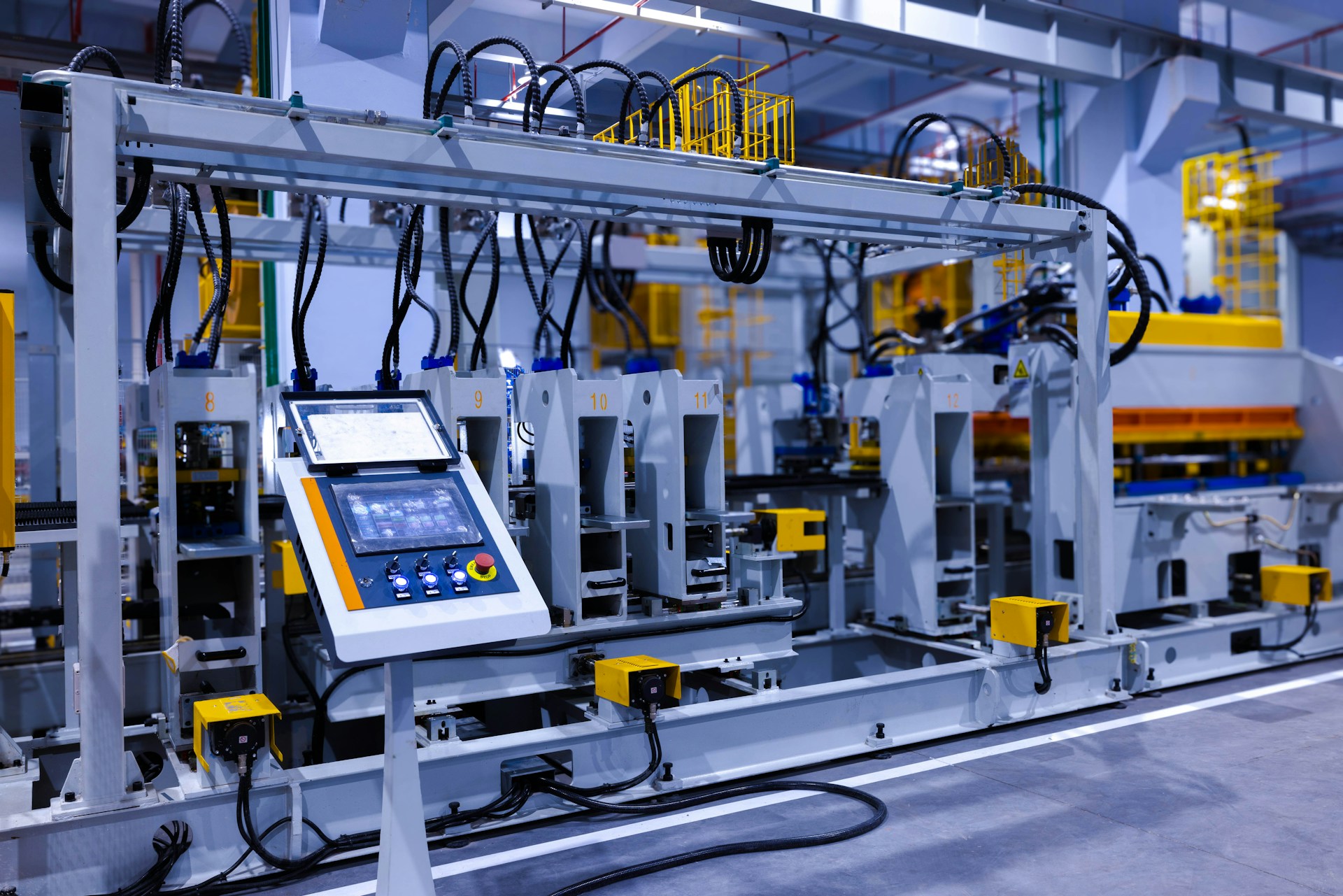
Manufacturers constantly face pressure to increase production volume, improve product quality, and minimize operational costs. Relying on outdated manual processes often leads to inconsistent output and escalating labor expenses. Upgrading legacy systems is no longer a luxury for plant managers; it is a fundamental requirement for maintaining competitiveness.
Transitioning to automated workflows requires strategic planning and a deep understanding of facility logistics. A successful integration strategy addresses current operational bottlenecks while building a scalable foundation for future growth. Implementing a unified system of specialized machinery and intelligent controls provides facility operators with complete oversight and enhanced agility.
Partnering with an experienced engineering team ensures that equipment is properly designed for your specific industry requirements, whether you operate in food and beverage, life sciences, or general manufacturing.
Companies like Boston Conveyor & Automation design, manufacture, and implement material handling systems that exceed standard performance expectations. By combining robust machinery with smart technology, facility managers can achieve unprecedented levels of efficiency.
Identifying Bottlenecks in Production Workflow
Before deploying new equipment, plant operators must conduct a thorough assessment of their existing operations to locate inefficiencies. Areas where materials pile up or where manual handling slows the transfer of goods indicate prime opportunities for improvement.
The True Cost of Manual Inefficiencies
Relying heavily on manual labor for repetitive tasks introduces multiple risks to a production line. Human error can compromise product quality, while the physical strain of constant lifting and moving often leads to workplace injuries and extended downtime.
Evaluating these friction points helps engineers determine the exact scope of the upgrade required, setting the stage for comprehensive industrial automation services that address specific operational vulnerabilities.
Selecting Intelligent Material Transport Systems
Moving products efficiently from one station to the next is the backbone of any manufacturing operation. Modern facilities require far more than static belts; they need dynamic, intelligent transport mechanisms that adjust to production flow and communicate with downstream machinery.
Seamless Material Flow and Conveyor Integration
The core of a highly functional facility relies on efficient material transport. A proper setup involves precise engineering to ensure continuous movement without product damage.
Professional conveyor installation guarantees that the physical framework seamlessly aligns with facility layouts, connecting disparate processing stages. Advanced setups utilize hygienic designs, such as fully welded stainless steel, to maintain strict sanitation standards while delivering reliable throughput.
Integrating Cutting-Edge Robotic Applications
When simple point-A-to-point-B transport is insufficient, robots provide the necessary dexterity and speed to handle complex manipulation tasks. Integrating automated arms into the workflow drastically accelerates processes that traditionally required intense human focus and physical effort.
Precision Through Specialized Robotics Solutions
Primary product picking and specialty case packing benefit immensely from automated integration. Implementing targeted robotics solutions allows facilities to manipulate delicate or oddly shaped items with high precision and minimal waste. Key benefits of utilizing these advanced arms include:
- High-speed sorting and reject handling capabilities.
- Gentle manipulation of fragile or delicate products.
- Wash-down capable machinery designed for sanitary environments.
- Consistent operation schedules that eliminate shift-change downtime.
Developing Custom Machinery for Unique Challenges
Off-the-shelf equipment rarely meets the exact specifications of specialized manufacturing processes. Different products require unique orientations, buffering times, and specific balancing protocols to ensure downstream machines operate at peak capacity.
Accumulation, Buffering, and Sorting
Engineers often develop specialized machinery to handle the nuances of particular production lines. This customized equipment performs vital intermediate tasks, including:
- Accumulation: Temporarily storing products to manage flow rates.
- Orienting and Positioning: Aligning items perfectly for packaging or scanning.
- Diverting: Routing materials to multiple lanes to balance heavy workloads.
- Elevating: Moving goods between different facility levels safely and efficiently.
Implementing Robust Control Systems and Panels
Mechanical hardware represents only half of the automation equation. Without a centralized “brain” to coordinate the machinery, conveyors and robots cannot function cohesively. Advanced control panels provide the necessary logic and monitoring capabilities to keep systems running smoothly.
Centralized Oversight for Maximum Uptime
Designing and programming custom control panels ensures that the hardware functions as a unified system rather than a collection of isolated machines.
Experienced controls teams map out the entire manufacturing process to deliver user-friendly interfaces. These systems allow operators to monitor performance metrics in real-time, adjust line speeds, and quickly diagnose issues before they escalate into extended periods of downtime.
Maintaining Compliance and Hygiene Standards
For industries such as food processing, pharmaceuticals, and medical device manufacturing, regulatory compliance is non-negotiable. Equipment must withstand harsh cleaning chemicals and high-pressure washdowns without degrading or harboring bacteria.
Stainless Steel Designs for Stringent Regulations
Engineering material handling systems for cleanroom environments requires specialized fabrication techniques. Facilities must utilize machinery that adheres to Good Manufacturing Practices (GMP) and meets criteria set by organizations like the USDA and EHEDG.
Utilizing wipedown construction and fully welded stainless steel components ensures that the entire line remains sterile, significantly reducing the risk of contamination and expensive product recalls.
Taking the Next Step Toward Optimized Operations
Investing in advanced material handling and intelligent machinery fundamentally transforms how a facility operates. By replacing outdated, manual workflows with precise, automated systems, manufacturers can drastically increase their throughput while protecting their bottom line.
The transition reduces workplace hazards, guarantees higher product consistency, and ensures adherence to the most stringent industry regulations. Evaluating your current setup is the first critical step toward modernization.
Partnering with a skilled team of multidisciplinary engineers ensures that every aspect of the project—from mechanical fabrication to software programming—is handled with precision. By embracing scalable, customized machinery, production facilities can confidently meet tomorrow’s manufacturing demands.
